AI-Powered Student Well-Being: Building a Stress-Resilient Campus

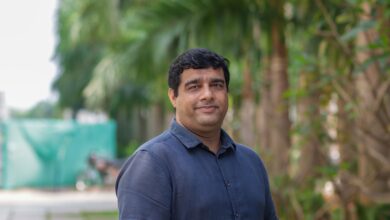
By- Dr.Banee Bandana Das
Associate Head (AAI) & Assistant Professor
AI Technology Institute (AiTI), SRM University-AP, Amaravati, India
The B.Tech journey offers students opportunities for learning, innovation, and career development, but academic workload, examinations, projects, programming assignments, internships, and placement preparation can also create considerable pressure. A supportive academic environment should therefore focus not only on academic performance but also on student well-being, personalized learning, and effective mentoring.
Artificial Intelligence (AI) can support universities in creating a more student-friendly and stress-resilient learning environment by helping students manage their academic responsibilities and access timely support.
How AI Can Help
- Personalized Learning
AI-powered learning assistants can identify areas where students are struggling and recommend appropriate explanations, practice questions, learning resources, and revision materials. This enables students to learn at their own pace and reduces frustration. - Smart Time Management
AI can help students organize classes, assignments, examinations, laboratory work, and project deadlines into manageable schedules. Breaking large tasks into smaller activities can help students avoid last-minute academic pressure. - Academic Support and Early Intervention
AI systems can analyze learning patterns such as assignment completion, quiz performance, attendance, and academic progress. When a student shows signs of academic difficulty, the system can help faculty mentors identify the need for timely support. - Programming and Laboratory Assistance
For engineering students, programming can often be challenging. AI tools can explain syntax and logical errors, provide hints, and guide students through debugging. The focus should be on learning and understanding rather than simply generating solutions. - Career Guidance
AI can help students understand suitable career pathways based on their interests, skills, academic background, projects, and career goals. Personalized learning roadmaps can help students identify the skills and certifications they need for areas such as AI, cybersecurity, software development, and data science. - Student Well-Being Support
AI-based conversational systems can provide basic guidance when students feel academically overwhelmed, for example, suggesting time-management strategies, breaks, or connecting students with faculty mentors and university counseling services. AI should not replace professional counselors or diagnosed mental-health conditions.
Human + AI: The Way Forward
The objective should not be to replace teachers with AI. Instead, universities should build a Human + AI support ecosystem.
| AI Can Support | Humans Should Provide |
| Personalized learning | Teaching and mentoring |
| Academic progress monitoring | Personal intervention |
| Time planning | Academic guidance |
| Programming assistance | Conceptual understanding |
| Career pathways | Career counseling |
| Initial well-being support | Professional and emotional support |
AI can reduce repetitive work and provide personalized assistance, while faculty members can spend more time interacting with, mentoring, and supporting students.
Responsible Use of AI
A student-friendly AI ecosystem must also protect privacy, security, fairness, and student autonomy. Universities should ensure transparency regarding the collection and use of student data and maintain appropriate human oversight of AI-based recommendations.
Conclusion
Creating a stress-free B.Tech environment does not mean eliminating academic challenges. It means helping students manage challenges effectively and access support at the right time. AI can contribute through personalized learning, smart scheduling, academic monitoring, programming assistance, career guidance, and well-being support.
The future of engineering education should therefore focus on AIempowered students and AIsupported faculty, where technology handles personalization and routine assistance while humans provide empathy, mentorship, and meaningful academic guidance.
The goal is not less learning,it is less unnecessary stress and more meaningful learning.