Equal Opportunities for Every Child: Bridging the Urban–Rural Education Gap
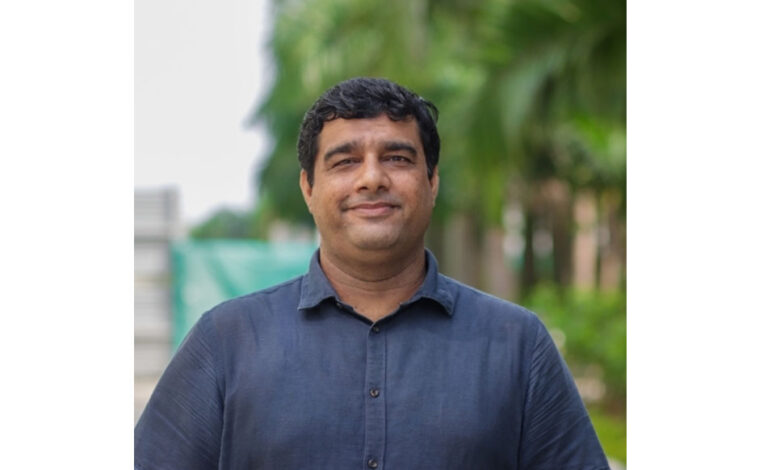
Dr Saswat Kumar Ram, Associate Professor, Department of Electronics and Communication Engineering, SRM University AP
Talent has no postcode. A child with a sharp mind, a vivid imagination or a gift for numbers may be born in a crowded city apartment or in a village at the end of a dirt road. What differs, often dramatically, is what happens next: the quality of the school, the availability of trained teachers, the books on the shelf, the internet connection at home and the expectations of the adults around them. This difference between urban and rural education is not unique to any one country, but in a large and diverse nation such as India it carries enormous consequences for individuals and for the country’s future. Bridging it is a question of fairness, and also of national potential.
Understanding the Gap
The urban–rural education gap refers to the systematic differences in access, quality and outcomes of education between children living in cities and those in rural areas. It is not simply a matter of buildings. It shows up in who gets to attend school at all, who stays through the higher grades, who learns to read fluently and do arithmetic at the expected level, and who has a realistic path to college, vocational training or a good job.It is also important to avoid stereotypes. Rural areas are not uniformly deprived, and cities contain pockets of severe disadvantage, particularly in informal settlements. Within both, factors such as gender, caste, income, disability, language and migration status can matter as much as location. The urban–rural divide is best understood as one layer of a wider pattern of inequality, and often overlaps with the others.
Where the Gap Shows Up
- Access and distance: in sparsely populated areas, the nearest secondary school may be far away. Long, unsafe or costly journeys discourage attendance, especially for girls.
- Teachers: rural schools often struggle to attract and retain qualified teachers, subject specialists and support staff. Vacancies, absenteeism and teachers handling several grades at once are common concerns.
- Infrastructure: basic facilities such as safe classrooms, clean toilets, drinking water, electricity, libraries and laboratories are more likely to be missing or inadequate.
- Learning materials: textbooks, storybooks, science kits and sports equipment may be scarce, and what exists may not reflect local languages or contexts.
- Digital access: reliable electricity, devices and affordable internet are uneven. When schooling moved online during the pandemic, the digital divide became painfully visible.
- Early childhood education: quality preschool and early learning opportunities are less available in many rural and poorer areas, even though early years strongly shape later learning.
- Language: children whose home language differs from the language of instruction can find the classroom bewildering, particularly in the early grades.
- Higher education and careers: colleges, coaching centres, internships and career guidance are concentrated in cities, so rural students often lack information and networks.
- Household constraints: seasonal farm work, migration for jobs, household chores and low parental schooling can all pull children away from learning.
Why It Matters
The consequences of unequal education reach far beyond the classroom. Children who miss out on quality learning are more likely to face limited job prospects, lower incomes and poorer health, and the disadvantage often passes to the next generation. Entire regions may be held back when their young people cannot access skills demanded by modern economies. A country that fails to develop the talents of a large share of its children wastes human potential on a vast scale. Conversely, expanding opportunity can raise productivity, strengthen democracy, reduce poverty and unlock innovation from voices that have rarely been heard.
Learning Matters as Much as Schooling
In recent years, policy and research attention has shifted from getting children into school to ensuring that they actually learn while there. Many nationwide assessments and citizen-led surveys in India have repeatedly highlighted that a significant number of children in the early primary years struggle with foundational reading and arithmetic. Foundational literacy and numeracy are the building blocks for everything else, and children who do not master them early often fall further behind as the curriculum becomes more demanding. This is why attention to the early grades, to teaching methods and to learning outcomes is central to any serious effort to bridge the gap.
What Works: Ideas and Approaches
Experience from India and elsewhere suggests that progress requires many strands working together.
- Strengthening foundations early: investing in quality early childhood programmes and in structured, activity-based teaching of reading and arithmetic in the first years of school.
- Supporting teachers: better recruitment, fair postings, continuing professional development, mentoring, reasonable class sizes and incentives for serving in remote areas. Teachers also need respect and trust.
- Teaching at the right level: grouping children by what they can actually do rather than only by age or grade, with targeted help for those who have fallen behind, has shown promising results in several studies.
- Mother-tongue and bilingual support: using the child’s familiar language in early grades, while gradually introducing other languages, helps children understand and participate.
- Improving basic infrastructure: safe buildings, toilets, drinking water, power, libraries and play spaces create an environment where children want to be and can learn.
- Reducing barriers to attendance: safe transport, bicycles, hostels, scholarships, meals and flexible schedules for children in seasonal-migrant families.
- Encouraging girls’ education: safe toilets, female teachers, community mobilisation and incentives that keep girls in school through adolescence.
- Community involvement: school management committees, parent groups, local volunteers and village leaders can monitor attendance, support teachers and sustain improvements.
- Nutrition and health: meals, health check-ups and attention to eyesight, hearing and anaemia remove obstacles that quietly undermine learning.
- Career guidance and links to opportunity: exposure to higher education options, vocational pathways, mentors and role models widens horizons.
Looking Ahead
The coming years offer both opportunity and risk. Expanding mobile connectivity, affordable devices and open educational resources could dramatically widen access to learning. Greater focus on foundational skills, local languages, teacher quality and vocational pathways may raise outcomes for children who have long been overlooked. At the same time, climate shocks, migration, economic pressures and rapid technological change could deepen inequalities if education systems do not adapt. The decisions taken now about funding, teacher support, early childhood education and inclusive technology will shape the life chances of millions of children.
Every child deserves the chance to discover what they are capable of. A child’s future should not be determined by whether the school bus route happens to start in a city or in a village. Bridging the urban–rural education gap requires sustained commitment from governments, communities, educators, businesses and citizens. It means investing in teachers, in early learning, in language that children understand, in safe and welcoming schools and in access to the wider world of knowledge. When that happens, the benefits will not be confined to the children themselves. They will flow to families, villages, cities and the country as a whole. Equal opportunity is not a favour to be granted. It is the foundation of a fair and thriving society.