Navigating the Crossroads: A Comprehensive Guide to Career Choices After Class 10

By – Dr. Debabrata Senapati
Assistant Professor, Computer Science and Engineering, SRM University – AP, ( Amaravati).
For tens of thousands of students clearing their Class 10 board examinations, the end of exams marks the start of a crucial crossroad. For the first time in their academic lives, students move away from a uniform, mandatory curriculum and are tasked with making a decision that will define their higher education and future career trajectory.
With an expanding array of traditional academic streams, technical diplomas, and skill-based certifications available today, experts emphasize that choosing the right path requires a balanced evaluation of personal aptitude, interest, and long-term career goals rather than peer pressure or market trends.
The Four Major Paths After Class 10
Educational counsellors divide the options available after Secondary School Certificate (SSC) or CBSE/ICSE Class 10 into four core avenues:

- Higher Secondary (10+2 / Intermediate)
Continuing into Class 11 and 12 remains the most popular route for students intending to pursue university degrees.
- Science Stream (MPC / PCB / PCMB): Designed for analytical minds aiming for engineering, medical, computer applications, or pure scientific research. The MPC track (Maths, Physics, Chemistry) opens routes to B.Tech, Architecture, Aviation, and Data Science, while the PCB track (Biology, Physics, Chemistry) leads to MBBS, Pharmacy, Nursing, and Biotechnology.
- Commerce Stream: Geared toward students interested in trade, corporate finance, and business systems. Core subjects include Accountancy, Business Studies, and Economics, leading toward professional qualifications like Chartered Accountancy (CA), Company Secretary (CS), and BBA/B.Com degrees.
- Arts / Humanities Stream: Offers pathways into legal studies, public service, media, and social sciences. Popular subject combinations include History, Political Science, Psychology, and Economics, paving the way for Civil Services (UPSC), Law (integrated BA LLB), Journalism, and Design.
- Polytechnic Diplomas (3-Year Technical Route)
Polytechnic institutes offer hands-on, industry-oriented engineering education straight after Class 10.
Specializations in Mechanical, Civil, Electrical, and Computer Science engineering allow diploma holders to enter the workforce early as Junior Engineers. Alternatively, graduates can gain Lateral Entry directly into the second year of a B.Tech degree program.
- Industrial Training Institutes (ITI)
For students seeking rapid employment through practical trade skills, ITI programs offer courses ranging from 6 months to 2 years.
Focusing on vocational trades such as Electrician, Fitter, Machinist, Welder, and Computer Operator (COPA), these courses prepare students for immediate placement in manufacturing units, public sector enterprises like the Railways, or self-employment.
- Vocational & Paramedical Diplomas
Short-term diploma programs in specialized service sectors and allied healthcare offer direct, skill-based entry into job markets.
Key options include Paramedical Diplomas (Medical Lab Technology, Radiology) and Creative/Managerial Diplomas (Digital Marketing, Graphic Design, Fashion Design, and Hotel Management).
How to Make the Right Choice
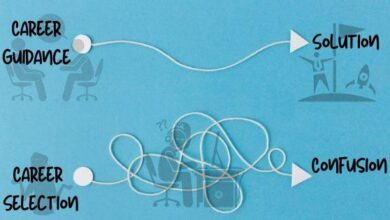
- Assess Aptitude and Interest: Reflect on subjects you naturally enjoy rather than relying solely on high marks.
- Evaluate Long-Term Goals: Determine whether you prefer early employment (Polytechnic/ITI) or advanced university degrees (10+2).
- Consider Practical Capabilities: Match your academic capacity and learning style with the demands of the stream you select.
Ultimately, the decision made after Class 10 should not be viewed as a rigid, lifelong sentence, but rather as the first strategic building block of a student’s career trajectory. Whether one chooses the academic depth of 10+2, the practical orientation of a Polytechnic diploma, or the targeted skills of vocational and ITI training, every path offers valid avenues to professional success. The key lies in aligning this initial choice with the student’s genuine interest, academic comfort, and long-term ambition—ensuring that the step taken today builds a strong foundation for tomorrow.